
Why do games and pastimes matter in assisted living?
Games and pastimes give residents meaningful ways to spend time, connect with others, stay mentally active, and maintain familiar routines. In assisted living, activities are most successful when they are enjoyable, easy to join, and adaptable to different abilities.
A favorite pastime does not need to be complicated. A resident may prefer a quiet crossword puzzle, a weekly card game, a music activity, or a conversation over coffee. Others may enjoy friendly competition, creative projects, light movement, or seasonal events.
The goal is not to keep every resident busy every minute. Good activity programming provides choices that support enjoyment, independence, social connection, and a sense of purpose.
What are the most popular games in assisted living?
The most popular games are usually familiar, flexible, and simple to explain. Residents often appreciate activities that allow conversation while playing rather than requiring intense concentration.
Common choices include:
- Bingo, especially with larger cards and easy-to-see markers
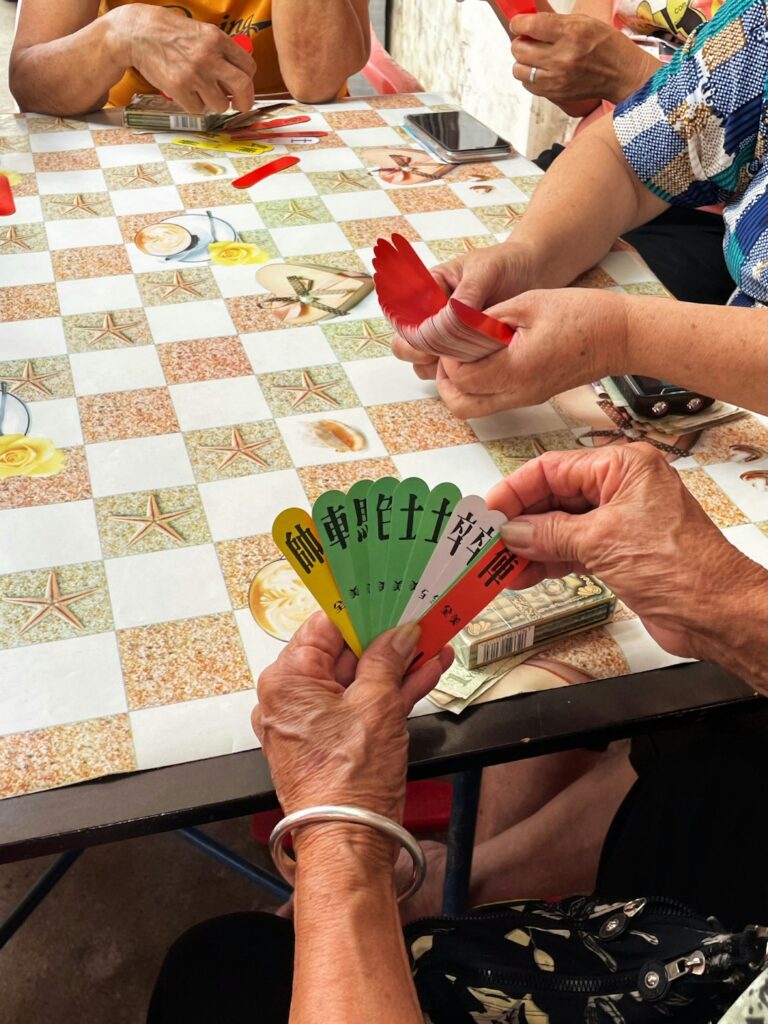
- Card games such as rummy, bridge, pinochle, or simple matching games
- Dominoes and tile games
- Checkers, chess, and other board games
- Word searches, crossword puzzles, and trivia
- Jigsaw puzzles with large pieces
- Tabletop bowling or other adapted indoor games
- Group guessing games based on music, movies, history, or local memories
Bingo remains popular because the rules are familiar and players can participate at their own pace. Trivia can also work well when questions are read aloud and the group is encouraged to discuss answers rather than focus only on winning.
For residents with vision changes, large-print materials, high-contrast colors, bright lighting, and oversized game pieces can make a major difference. For those with memory loss, games with fewer rules and predictable steps may be more comfortable.
Which pastimes help residents socialize?
Group activities that encourage conversation are often more valuable than games focused only on competition. Shared memories, laughter, and regular interaction can help residents feel connected to the community around them.
Conversation-friendly pastimes may include:
- Reminiscing about school days, family traditions, work, or favorite hobbies
- Looking through picture books, old photographs, or local history materials
- Listening to familiar music and discussing the memories it brings back
- Cooking demonstrations or simple no-bake food activities
- Craft groups with optional conversation
- Reading groups with short stories, poetry, or newspaper articles
- Gardening discussions and indoor plant care
- Themed social hours based on seasons, holidays, or hometown traditions
Some residents enjoy larger gatherings, while others prefer a table with two or three people. A quiet resident may participate more comfortably when an activity offers a clear task, such as sorting cards, arranging flowers, or assembling a puzzle.
Social participation should not be measured only by how much someone talks. Watching a game, listening to music, or sitting with a group can also be a meaningful form of involvement.
Are arts and crafts useful for older adults?
Arts and crafts can support creativity, hand coordination, personal expression, and conversation. They are especially helpful when there is no single “right” result.
Suitable projects may include:
- Coloring with large, easy-grip pencils or markers
- Painting with sponges, broad brushes, or water-based materials
- Making greeting cards
- Seasonal decorations
- Simple knitting, crocheting, or fabric projects
- Collage-making with large pieces of paper
- Decorating flowerpots
- Arranging artificial or fresh flowers
- Creating memory boxes or personal displays
Activities should be adapted for residents with arthritis, tremors, limited strength, or reduced vision. Lightweight materials, non-slip surfaces, larger handles, and shorter sessions can make participation more comfortable.
Residents should also be free to choose their level of involvement. One person may complete an entire project, while another may select colors, hold materials, or enjoy watching the process.
What pastimes support physical activity?
Movement-based activities do not need to feel like exercise classes. Gentle activity can be built into games and familiar routines.
Examples include:
- Seated stretching with music
- Balloon volleyball
- Indoor walking groups
- Beanbag toss
- Chair-based dance
- Light bowling with soft equipment
- Simple balance and coordination games
- Gardening tasks performed at a table or raised planter
- Movement paired with familiar songs

In Homestead, PA, seasonal weather may sometimes limit outdoor plans, particularly during cold, wet, or icy conditions. Indoor alternatives help residents maintain regular activity without requiring difficult travel or unsafe surfaces.
Physical activities should be paced carefully. Clear walkways, stable chairs, appropriate footwear, and supervision suited to the resident’s needs help reduce fall risks. The activity should be enjoyable rather than exhausting.
How can activities be adapted for memory loss?
Residents living with memory loss can often enjoy games and pastimes when the activity is familiar, predictable, and free from pressure. The purpose is participation, not perfect performance.
Helpful adaptations include:
- Using one-step instructions
- Demonstrating rather than giving lengthy explanations
- Offering only a few choices at a time
- Using familiar songs, objects, and routines
- Keeping sessions brief when attention is limited
- Avoiding correction or criticism after mistakes
- Allowing residents to observe before joining
- Repeating favorite activities on a regular schedule
A resident who no longer remembers the rules of a card game may still enjoy sorting cards by color or talking about playing cards with family members. Someone who cannot complete a puzzle independently may enjoy placing a few pieces or discussing the picture.
Activities are more successful when they preserve dignity. Winning, speed, and accuracy should not be more important than comfort and connection.
What should families consider when choosing a pastime?
Families can help by sharing information about lifelong interests, preferred music, former hobbies, cultural traditions, and activities the resident has enjoyed recently. A person who once loved gardening may prefer arranging flowers or caring for indoor plants rather than joining a competitive game.
It is also useful to consider practical factors:
- Does the resident prefer groups or one-on-one interaction?
- Are large-print materials needed?
- Does hand pain affect the ability to hold small pieces?
- Is the activity tiring at a certain time of day?
- Does the resident enjoy competition or prefer cooperative activities?
- Would familiar objects make participation easier?
- Are hearing, vision, balance, or memory changes affecting comfort?
Preferences can change. A resident may enjoy a large group one month and prefer quieter activities later. Regular observation and respectful conversation help activity choices remain suitable.
How can assisted living activities reflect local life?
Pastimes often feel more meaningful when they connect with familiar surroundings and seasonal routines. Residents may enjoy discussing river weather, neighborhood architecture, former workplaces, local schools, gardening conditions, or traditions associated with the area.
Indoor activities can also reflect the rhythm of the year. Winter may be suited to puzzles, music, crafts, and storytelling. Spring and summer can bring raised-planter gardening, porch conversations, and nature observation when conditions are comfortable. Autumn may inspire leaf-themed crafts, baking discussions, and reminiscence about family gatherings.
The most valuable activity is often the one that feels familiar, respectful, and easy to join. A simple card game, a shared song, or a conversation about past experiences can provide as much satisfaction as a carefully planned event.
