

Assisted living is designed to provide support with daily needs while allowing residents to maintain as much choice and independence as possible. For residents and families in Homestead, PA, the most useful question is not simply whether assisted living provides care, but how that care can be adapted to a person’s routines, preferences, abilities, relationships, and changing needs.
A well-organized assisted living setting should support the individual rather than expect every resident to follow the same schedule or lifestyle.
What does person-centered assisted living mean?
Person-centered assisted living means care is shaped around the resident’s history, preferences, strengths, and goals. Staff may assist with bathing, dressing, medications, meals, mobility, or housekeeping, but the resident should still have a voice in how those services are provided.
For example, a resident may prefer:
- Waking up later rather than joining an early-morning routine
- Choosing between several meals or requesting familiar foods
- Dressing independently, even if it takes additional time
- Taking part in activities only on certain days
- Receiving reminders instead of hands-on help
- Spending quiet time alone rather than attending group programs
The level of assistance may change over time, but personal choice should remain part of the care plan whenever safety allows.
How are daily routines personalized?
Daily routines are often adjusted during the move-in process and revisited as needs change. Staff may ask about a person’s usual sleep schedule, grooming habits, food preferences, religious practices, hobbies, communication style, and comfort with assistance.
A resident who has always enjoyed morning coffee and a newspaper may want that routine preserved. Another person may prefer breakfast in the dining room, while someone else may need a quieter setting or extra time to eat.
Personalized routines can also include:
- Preferred bathing times
- Specific approaches to medication reminders
- Favorite clothing styles
- Preferred room temperature and lighting
- Regular phone or video calls with family
- Time for reading, crafts, music, television, or outdoor sitting
- Personal approaches to mobility and transfers
These details may appear small, but familiar routines can help a new resident feel more settled and respected.
Do residents choose what and when they eat?
Meal preferences are an important part of daily comfort and independence. Assisted living dining programs commonly offer scheduled meals, but residents should be able to communicate food preferences, allergies, dietary restrictions, and cultural or religious needs.
Families can ask how the setting handles:
- Alternative meal choices
- Snacks between scheduled meals
- Special diets for diabetes or swallowing concerns
- Food allergies and intolerances
- Dining in a private room or common area
- Assistance with cutting food or opening containers
- Changes in appetite or weight
Residents may also have long-standing habits that affect eating, such as preferring a large breakfast, eating smaller portions, or avoiding certain textures. Staff should understand these preferences and monitor whether changes suggest a health concern.
Seasonal conditions can influence dining and hydration needs as well. During hot, humid weather, residents may need more reminders to drink fluids. During cold or icy periods, staying indoors may make regular meals and social contact especially important.
How can residents maintain privacy and independence?
Assisted living provides support, but it should not eliminate privacy. Residents generally have personal living spaces, the ability to make choices about visitors, and control over many personal belongings and routines.
Independence may include deciding:
- How to arrange furniture and decorations
- Which clothing to wear
- Whether to attend activities
- When to receive visitors
- How to spend free time
- Which personal items to keep nearby
- When to ask for help
A resident may need assistance with a task but still want to participate in part of it. For example, a person may be able to select clothing, brush their hair, or begin a transfer even if staff must provide additional support.
This approach helps avoid treating assistance as an all-or-nothing arrangement.
Can activities match individual interests?
Activities are most useful when they reflect genuine interests rather than simply filling time. A resident who dislikes large groups may prefer one-on-one conversation, puzzles, gardening, music, or quiet reading. Someone who enjoys social contact may want regular group events, exercise classes, games, or shared meals.
Meaningful activities may draw on a person’s earlier life, including:
- Cooking or baking
- Sewing, woodworking, or gardening
- Sports and movement
- Faith practices
- Local history and storytelling
- Art, music, or dancing
- Caring for plants or small animals where permitted
- Writing letters or keeping in touch with family
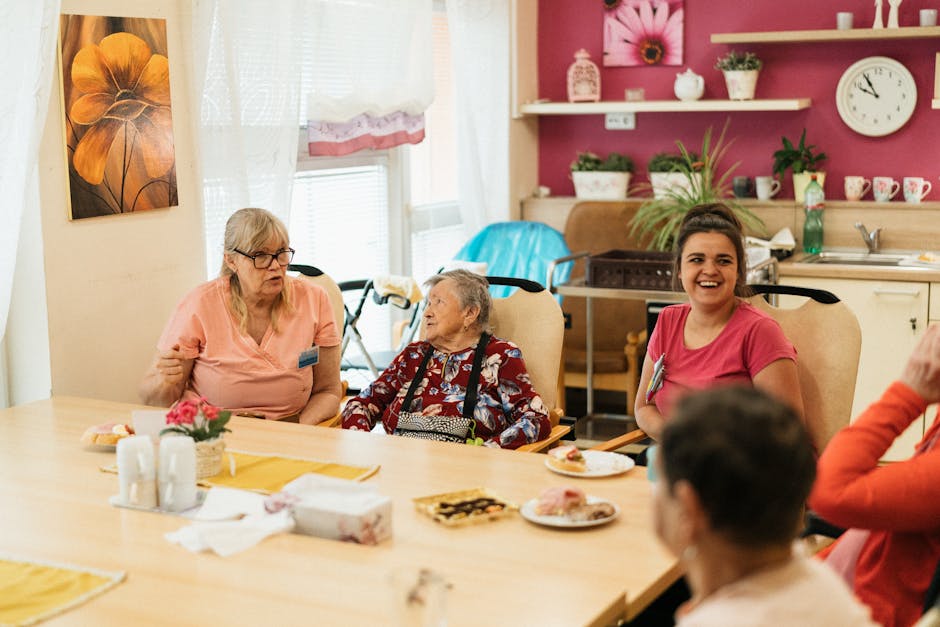
Participation should remain voluntary. A resident who declines an activity is expressing a preference, not necessarily showing a lack of interest in life. Staff can offer alternatives and try again later without creating pressure.
How are cultural, spiritual, and family preferences respected?
Personal preferences may include cultural traditions, spiritual practices, language needs, family customs, and important annual observances. These concerns should be discussed before or shortly after move-in so they can be included in the resident’s care information.
Families may wish to explain:
- Important holidays or rituals
- Preferred forms of prayer or reflection
- Dietary customs
- Personal grooming practices
- Preferred terms of address
- Communication preferences
- Family roles in decision-making
- Important memories, traditions, or celebrations
In a community with residents from varied backgrounds, respectful questions are more useful than assumptions. A resident should be able to describe what matters personally and identify which traditions are essential, optional, or no longer desired.
What happens when preferences conflict with safety?
Individual choice does not mean every request can be carried out without limits. Assisted living staff must consider fall risks, medication safety, wandering concerns, fire safety, dietary hazards, and the resident’s ability to understand possible consequences.
The goal should be to find the safest practical version of the resident’s preference. For example:
- A resident who wants to walk may use an appropriate mobility aid and receive supervision.
- Someone who prefers to stay up late may have a plan that reduces nighttime fall risks.
- A person who wants to manage medications may receive reminders or supervised assistance.
- A resident who wants to go outdoors may use a secure, accessible area during suitable conditions.
Families should ask how disagreements are handled and whether the care plan is reviewed with the resident. Restrictions should be explained clearly and should not be broader than necessary.
How should preferences be reviewed over time?
Preferences can change after a move, illness, hospitalization, medication adjustment, or change in memory or mobility. A resident who once enjoyed group dining may later prefer quieter meals. Someone who needed extensive help may regain abilities through rehabilitation or routine practice.
Care planning should therefore be an ongoing conversation. Useful questions include:
- What choices can the resident make independently?
- Which tasks require reminders, supervision, or hands-on help?
- What routines help the resident feel comfortable?
- What signs suggest a preference or ability has changed?
- How are family observations included?
- How can the resident’s choices be documented and respected?
For households in Homestead, weather and transportation conditions may also affect routines. Snow, ice, heavy rain, and summer heat can change outdoor plans, family visits, and access to appointments. A flexible care plan should account for these practical realities without unnecessarily limiting a resident’s activities.
The strongest assisted living arrangements provide structure without removing individuality. Residents receive help where it is needed, while retaining meaningful control over daily decisions, personal routines, relationships, and the way support is delivered.
