

How Does Assisted Living Address Senior Isolation?
Assisted living communities play a deeper role than many expect in supporting seniors’ social well-being. The structured daily environment, shared spaces, and community-centered activities naturally foster positive social interaction and help reduce feelings of loneliness for residents, especially those who may have struggled with isolation while living alone.
Isolation can touch many older adults for a range of reasons, from loss of loved ones to challenges with mobility or transportation. Within a community setting, seniors have more frequent opportunities to connect with others and participate in events, which can be difficult to maintain in a private home, particularly in the colder climate or steep hillside neighborhoods of Homestead, PA.
Why Is Isolation Common Among Seniors at Home?
Isolation in later life often develops gradually. For residents of Homestead, the spread-out nature of local housing, limited public transportation, and sometimes challenging winter conditions can make it harder to access social opportunities or see family and friends regularly.
Common causes of isolation for area seniors include:
- Mobility limitations that restrict outings or walking, especially during icy months
- Loss of a spouse or friends over time, reducing a personal support network
- Difficulty driving, particularly with hills and winding streets
- Sensory changes that make socializing more exhausting or confusing
- Unpredictable weather or seasonal changes discouraging travel and visits
These factors can create barriers that make it challenging for older adults to maintain strong community ties or experience regular face-to-face interactions at home.
How Does Community Living Create Connection?
Assisted living supports connection by bringing people together under one roof or campus. Residents have daily chances for casual encounters, shared meals, and group activities, which can build a renewed sense of camaraderie. The design of communal dining rooms and lounge areas encourages spontaneous socialization and easy interaction.
Regularly scheduled activities—like art workshops, music gatherings, exercise classes, and discussion groups—give seniors options to participate in ways that match their interests and energy levels. In Homestead’s variable climate, these indoor community events are especially valuable during times when getting out is less practical.
The presence of attentive staff who recognize subtle changes in mood or routine can also lead to early support for residents who may be withdrawing socially, helping prevent long periods of unrecognized loneliness.
What Kind of Activities Encourage Social Bonds?
A mix of group and individual pursuits helps residents choose what feels right for them, without pressure. Activities commonly available in assisted living settings—and well suited to Homestead’s indoor-centric winter months—involve:
- Group exercise or stretching tailored to all abilities
- Card games, bingo, or trivia nights in shared lounges
- Art and craft sessions for both beginners and experienced hobbyists
- Reading or movie clubs, which naturally start conversations and connection
- Seasonal celebrations or special event dinners
- Gardening clubs (indoors or on protected patios) during the growing season
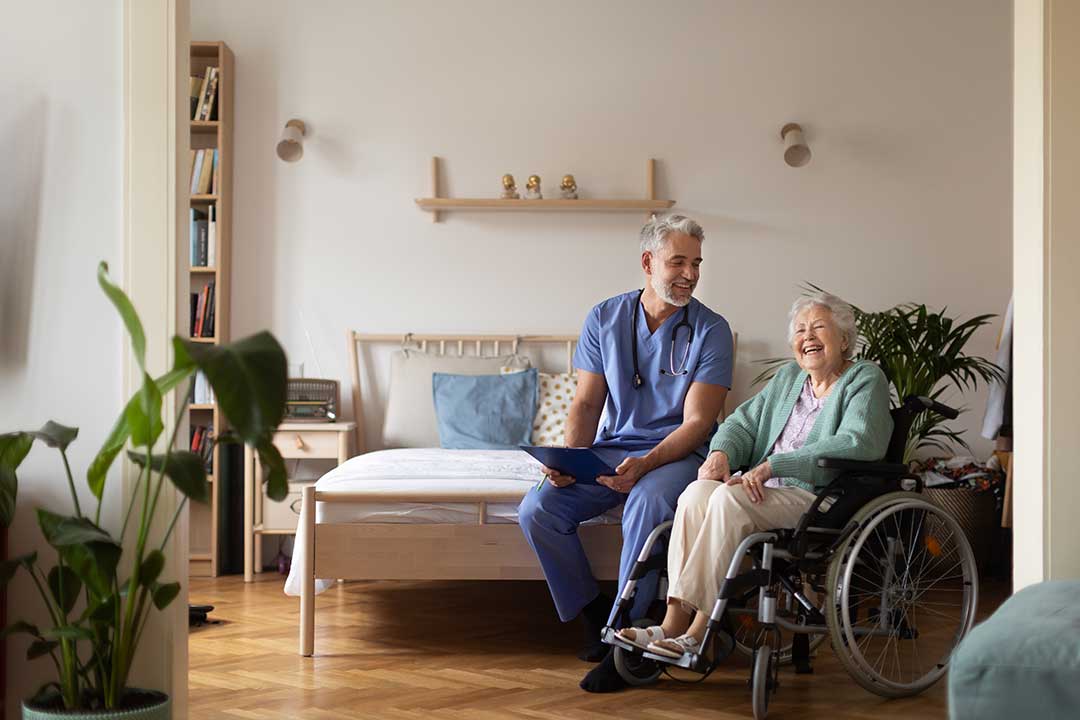
Small group activities give less outgoing individuals opportunities for meaningful participation, while larger gatherings appeal to others looking for a more vibrant social scene.
Can Assisted Living Support Both Introverts and Outgoing Residents?
Yes—modern communities recognize that people have different social comfort zones. Assisted living is not about forced participation. Quiet reading spaces, private apartments, or options for meal delivery allow for solitude when desired, while shared programming is available for those seeking more engagement.
For residents who are shy or may have withdrawn due to health changes, a gentle invite from staff or positive peer encouragement can make all the difference in drawing them into casual conversation or group fun.
Are There Social Benefits Beyond Daily Activities?
Daily life in assisted living goes beyond scheduled events. Even routine interactions—like greeting a neighbor in the hallway, sharing a table at lunch, or chatting with visiting family—can restore a valued sense of belonging. Over time, these small encounters become an essential part of the social fabric, especially in a close-knit community.
Support around life’s challenges, such as the loss of a friend or struggles with wellness, is easier to access in a setting where people are attuned to each other's needs. Residents may find comfort knowing peers and staff are available and responsive—something that can make a tangible difference when living alone.
Do Physical Layout and Accessibility Matter?
The design of assisted living environments often makes social participation easier than in private homes scattered across Homestead’s landscape. Ramps, elevators, and wide hallways provide safe, all-season access to common rooms for those with walkers or wheelchairs. Outdoor patios, protected against the elements, let residents enjoy fresh air and company without the hazard of icy steps or steep driveways.
For those who formerly lived in multi-level homes or older buildings in the area, this increased physical accessibility can break down barriers to getting involved and meeting new friends.
What About Family and Community Interaction?
While assisted living centers naturally foster relationships among residents, many also support ongoing family visits and involvement with the broader community. Local traditions, cultural events, and intergenerational programs (such as student music performances or art collaborations) are sometimes held onsite or nearby, helping residents sustain wider connections.
Reliable transportation offered by some communities makes it easier for seniors to attend local worship services, festivals, or neighborhood gatherings, keeping them linked to familiar faces and locations around Homestead.
Are There Misconceptions About Moving to Assisted Living?
Some people fear that transitioning to community living will make them feel more isolated. In fact, the opposite is often true—many residents find their social worlds expand after moving, thanks to the built-in network of peers, regular programming, and staff support.
Another common misconception is that participation is mandatory in every activity. Residents retain autonomy, and those who value independence find they can balance privacy with connection according to their own preferences.
By reducing the obstacles to daily social interaction and encouraging involvement—without pressure—assisted living can play a practical, meaningful role in preventing the emotional and physical consequences of prolonged isolation among seniors.
