
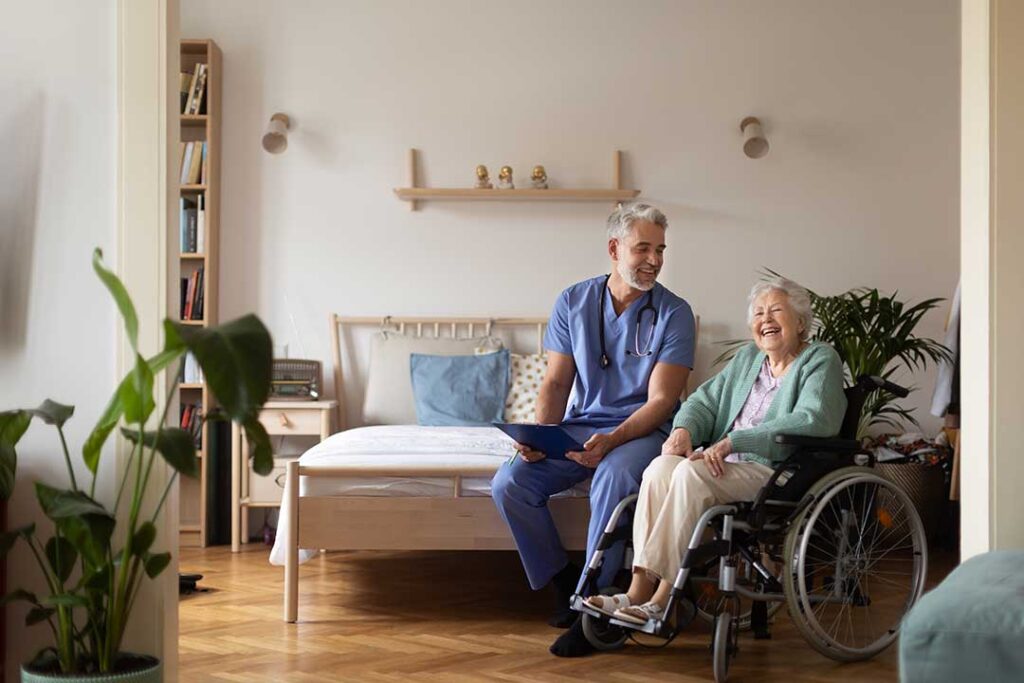
Assisted living communities are more than just residences—they are vibrant hubs where seniors maintain their independence while receiving support. Central to this spirit are volunteers who dedicate their time, energy, and compassion to enriching the lives of residents. In Homestead, Pennsylvania, with its strong traditions of neighborly care and community involvement, volunteers play especially vital roles in assisted living environments. Understanding these contributions can help Homestead families and individuals appreciate not only the impact volunteers make but also how to get involved.
The Importance of Volunteers in Assisted Living
Assisted living communities are designed to help seniors with daily activities and provide a safe, supportive environment. However, the quality of life for residents extends beyond basic care—personal connection, engagement, and joy are critical for overall well-being. Volunteers help fill these needs in ways that staff and caregivers sometimes cannot, by:
- Bringing outside perspectives and new energy
- Creating opportunities for individualized attention
- Offering talents, from music and art to technology assistance
- Encouraging social interaction and community building
In Homestead, where community ties run deep and many residents share a lifelong connection to local traditions, volunteers often foster a warm, familiar atmosphere through shared stories and cultural experiences.
Types of Volunteer Opportunities in Assisted Living
There are countless ways volunteers make a difference in Homestead’s assisted living communities. Here are some of the most common roles:
- Companionship visits: Simply spending time with residents, having conversations, reading aloud, or taking walks.
- Activity assistance: Helping staff with bingo, crafts, gardening, or organizing outings to local landmarks, such as the Homestead Waterfront or parks nearby.
- Music and arts programs: Performing for residents or leading group arts projects, honoring both the cultural heritage of Homestead and residents’ individual interests.
- Spiritual support: Leading prayer groups, Bible studies, or spiritual discussions, which are often highly valued among many older adults in the area.
- Technology tutors: Helping residents connect virtually with family, learn to use tablets, or enjoy online resources.
- Community event helpers: Assisting with special events, holiday celebrations, or visits to local festivals that enliven Homestead every season.
- Pet therapy visitors: Bringing well-trained animals to interact with residents, which has been shown to boost mood and reduce loneliness.
The Unique Benefits Volunteers Bring to Homestead Seniors
Volunteers are not just additional hands—they provide invaluable emotional and psychological benefits to both residents and staff. Here’s how:
- Reducing isolation and loneliness: Many seniors in assisted living, particularly those without close family nearby, look forward to volunteer visits as a highlight of their week.
- Strengthening local ties: Volunteers foster intergenerational connections, sharing stories and experiences unique to Homestead’s rich history, from its steelworks heritage to contemporary revitalization projects.
- Boosting mental and physical health: Engaged, socially connected seniors are less likely to experience depression and cognitive decline. Volunteers can encourage gentle exercise, participate in trivia or memory games, and help residents remain active.
- Offering meaningful engagement for volunteers: Many volunteers, whether high school students fulfilling service hours or retirees eager to give back, gain a sense of purpose and joy themselves.
The Volunteer Experience in Homestead, PA
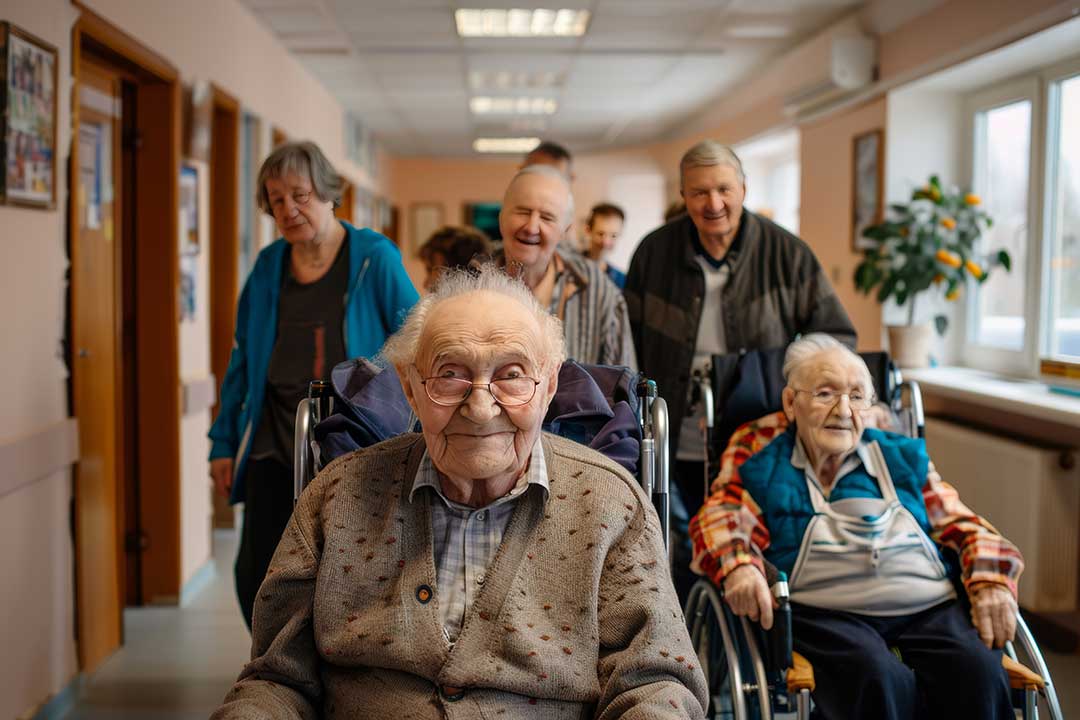
Homestead is known for its welcoming neighborhoods, walkable streets, and strong devotion to community support. Local volunteers often draw from these values. Residents can look forward to volunteers familiar with traditions like participation in summer street fairs, local sports support, and a shared appreciation for Homestead’s historical sites.
Moreover, many organizations partner with local schools, churches, and service clubs. For example:
- High school and college students volunteer for experience and community credit, bringing youthful enthusiasm.
- Local churches organize outreach groups for regular visits and special holiday programming.
- Community organizations arrange intergenerational storytelling sessions, allowing seniors to share firsthand accounts of Homestead’s past.
These collaborations deepen the sense of belonging that is so important in assisted living, reminding residents they remain active, valued members of the wider community.
How to Get Involved as a Volunteer in Homestead
If you’re interested in volunteering with seniors in Homestead, the process is straightforward. Most assisted living communities welcome new volunteers and will guide you through any necessary background checks or brief training sessions. Some tips for getting started:
- Contact local assisted living or senior centers, such as those near the Waterfront or downtown Homestead.
- Reach out to faith organizations, which often have established volunteer networks.
- Connect with Homestead-area high schools and community colleges about student volunteer programs.
- Attend community events where assisted living centers may have booths or information about opportunities.
Volunteering can be tailored to your skills, schedule, and interests—whether you have an hour a week or just want to help at seasonal events.
The Lasting Impact of Volunteers
Ultimately, volunteers are the heart of assisted living communities, especially in places like Homestead, Pennsylvania, where neighborly support and pride in local history go hand in hand. Their service not only makes the days brighter for seniors but often transforms the lives of the volunteers themselves. In a world where social bonds are more important than ever, volunteering in assisted living is a powerful way to build a stronger, more connected Homestead.
If you or someone you know is considering getting involved, remember: even a small act of kindness can have a profound impact on the life of a local senior.
