
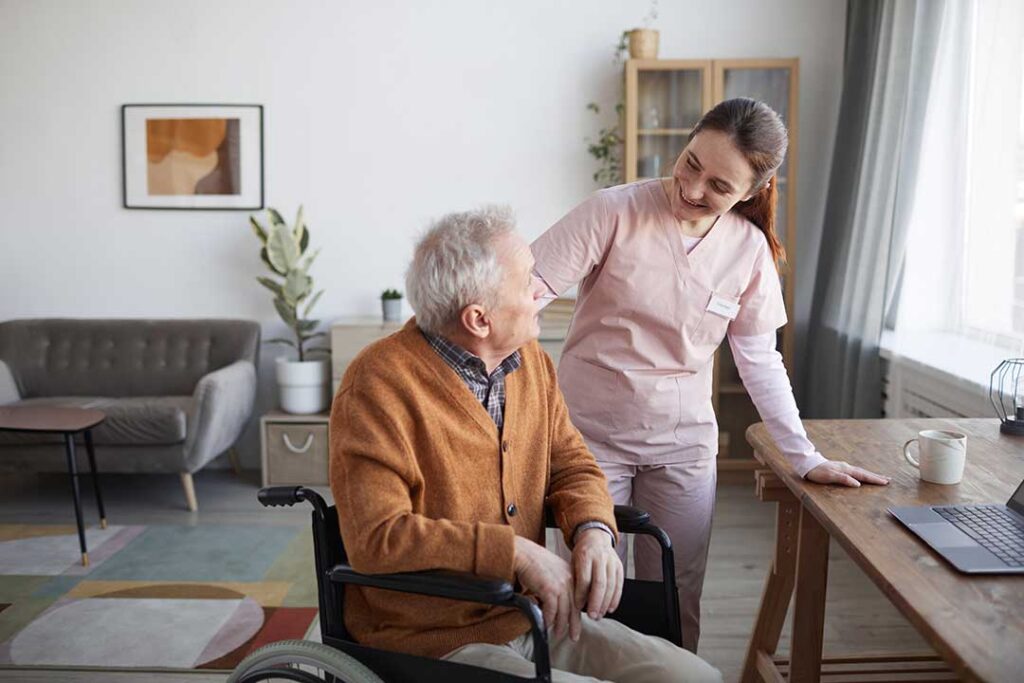
Falls are among the most common and serious safety concerns for seniors, especially those residing in assisted living communities. In Homestead, Pennsylvania, where our close-knit neighborhoods, rolling hills, and changing seasons influence everyday life, ensuring the safety of older adults takes on even greater importance. This blog will explore why fall prevention is crucial and offer practical, locally-relevant tips for improving safety and peace of mind for residents and their families.
Why Fall Prevention Matters in Assisted Living
Assisted living communities are designed to provide a supportive environment for seniors who want to maintain their independence while receiving help with daily activities. However, as people age, their risk of falling increases due to factors like reduced mobility, decreased muscle strength, balance issues, and chronic conditions. According to the CDC, falls are the leading cause of injury among older adults. The consequences can range from minor bruises to severe injuries like hip fractures, which can impact long-term health and independence.
In Homestead, where historic homes, river walks, and a blend of city and suburban living offer unique challenges, adapting living spaces and lifestyles plays a critical role in fall prevention.
Common Risk Factors for Falls
Understanding the most common causes of falls is the first step in keeping seniors safe. Risk factors include:
- Poor lighting in hallways or rooms
- Slippery floors from rain or snow, especially in the Allegheny County area
- Unsecured rugs and clutter
- Poorly maintained sidewalks or uneven pavement common in older Homestead neighborhoods
- Side effects from medications
- Chronic medical conditions such as arthritis, diabetes, or heart disease
- Improper footwear
Tips for Preventing Falls in Assisted Living
It takes a combination of environmental adjustments, health management, and awareness to effectively reduce fall risks. Here are practical fall prevention tips for assisted living residents in Homestead, PA:
1. Keep Living Spaces Clutter-Free
- Remove loose rugs, electrical cords, and unnecessary furniture from walkways.
- Donate or store items that aren’t frequently used.
- Ensure pathways are clear, especially in smaller apartments popular in Homestead’s assisted living facilities.
2. Improve Lighting
- Use bright, energy-efficient bulbs in all rooms.
- Install night lights in bedrooms and hallways to provide visibility during late-night bathroom trips.
- Check outdoor lighting regularly, especially during Pittsburgh’s darker winter months.
3. Install Safety Features
- Add grab bars near toilets and in showers or tubs.
- Ensure bath mats are slip-resistant.
- Consider raised toilet seats or sturdy shower chairs, particularly for those with limited lower body strength.
4. Wear Proper Footwear
- Choose non-slip shoes with good support.
- Avoid walking in socks or slippers that lack grip, especially on hardwood or tile floors.
5. Be Cautious with Outdoor Activities
Homestead’s scenic riverfront parks and walkable downtown can be inviting, but weather can quickly change surfaces from safe to slippery:
- Use handrails when available.
- Be mindful of leaves, ice, and snow on sidewalks—consider postponing walks after storms or freeze-thaw cycles.
- Assisted living staff should regularly assess community paths and prioritize de-icing in winter.
6. Stay Active and Improve Balance
Many assisted living facilities in Homestead offer fitness classes or movement programs:
- Participate in tai chi, balance-focused exercises, or gentle aerobics.
- Enroll in physical therapy programs when recommended to strengthen muscles and maintain flexibility.
- Simple daily practices, like walking laps in the Community Park or using stairs with guidance, can help improve stability.

7. Review Medications Regularly
- Schedule routine medication reviews with a healthcare provider to identify drugs that may cause dizziness, drowsiness, or lowered blood pressure.
- Ask about alternatives if current medications increase fall risk.
8. Prioritize Vision and Hearing Care
- Have eyes and ears checked regularly, especially since the ability to detect hazards often depends on good vision and balanced hearing.
- Clean eyeglasses often and use up-to-date prescriptions.
9. Encourage Social Support
In Homestead’s tight-knit community, neighbors often look out for one another:
- Encourage residents to inform staff and friends if they feel unsteady.
- Join group activities, as companionship can help prevent risky behaviors and provide immediate assistance if needed.
Fall Response Plans: Why Immediate Action Matters
Despite best efforts, falls may still occur. Assisted living communities in Homestead are trained to respond effectively:
- Staff should know each resident’s medical history and emergency contacts.
- There should be easily accessible emergency buttons or phone systems throughout the facility.
- Families are encouraged to discuss fall response plans with community management to understand reporting and care procedures.
Making Fall Prevention Part of the Homestead Lifestyle
Adapting to our local environment means embracing the resources and strengths that Homestead offers:
- Take advantage of nearby wellness centers, local senior events, and educational workshops.
- Collaborate with area pharmacists, physical therapists, and primary care providers who are familiar with the needs of South Hills seniors.
- Engage with local organizations that support aging in place, such as the Allegheny County Area Agency on Aging.
Conclusion
Fall prevention isn’t just about avoiding accidents—it’s about empowering Homestead’s seniors to stay active, independent, and engaged in the community they love. By applying these practical safety tips and fostering open communication among families, caregivers, and assisted living staff, we can create a safer and more supportive environment for our loved ones.
If you or a family member is considering assisted living in Homestead, Pennsylvania, know that local providers are committed to safety and well-being. By working together and staying informed, we can significantly reduce the risk of falls and help our seniors thrive.
