

Seasonal programming can help assisted living residents maintain routines, stay socially connected, and participate in activities that match their energy, interests, and abilities. In Homestead, PA, planning around changing temperatures, winter weather, indoor comfort, and access to safe outdoor spaces can make each season more enjoyable and practical.
Why do seasonal activities matter in assisted living?
Seasonal activities give residents familiar points of connection throughout the year. They can support movement, conversation, memory, creativity, and emotional well-being without requiring every person to participate in the same way.
A useful activity calendar includes choices for different abilities and preferences. Some residents may enjoy group events, while others prefer quiet projects, short visits, or watching an activity before deciding whether to join.
Activities may support:
- Gentle physical movement and balance
- Social interaction and reduced isolation
- Reminiscence and life-story sharing
- Fine-motor skills through crafts and games
- Orientation to the time of year
- A sense of purpose and daily structure
Seasonal programming should not be treated as entertainment alone. A garden discussion, holiday music session, or winter craft may also help residents express memories, make decisions, and maintain familiar habits.
What activities work well in spring?
Spring activities can focus on renewal, light exercise, and observing changes in the natural environment. Because temperatures can vary considerably from day to day, outdoor plans should have an indoor alternative.
Practical spring options include:
- Planting herbs or flowers in raised containers
- Decorating small pots or making pressed-flower artwork
- Listening to birds and identifying common spring sounds
- Taking short walks on level, well-maintained paths
- Holding a spring cleaning and organizing discussion
- Preparing simple fruit salads or other no-cook recipes
- Sharing memories of gardens, farms, holidays, or family traditions
- Creating a calendar that tracks daylight, weather, or blooming plants
Residents who use walkers, wheelchairs, or canes may participate through accessible container gardening, table-based planting, or seated outdoor gatherings. Raised planters and lightweight tools can reduce bending and make the activity more comfortable.
Pollen and changing weather can affect participation. Residents with allergies or breathing concerns may prefer indoor nature programs, such as viewing photographs, arranging silk flowers, or caring for low-allergen plants.
How can summer activities remain safe and comfortable?
Summer activities should account for heat, humidity, glare, dehydration, and sudden storms. Shorter sessions during cooler parts of the day are often more comfortable than lengthy outdoor events.
Suitable summer activities include:
- Shaded courtyard visits or porch conversations
- Seated stretching, chair exercises, or gentle dancing
- Watercolor painting with summer themes
- Indoor ice cream or lemonade socials
- Decorating fans, sun hats, or paper lanterns
- Listening to familiar music from residents’ younger years
- Reading groups featuring travel stories, nature writing, or local history
- Indoor “picnics” when outdoor heat is excessive
Older adults may not always recognize thirst or overheating quickly. Water should be easy to reach, and staff or family members should watch for unusual fatigue, dizziness, confusion, headache, weakness, or heavy sweating.
Outdoor spaces should provide shade, stable seating, clear walking surfaces, and easy access back indoors. A resident does not need to stay outside for a long period to benefit from fresh air. A ten-minute visit, followed by an indoor activity, may be more appropriate than a full afternoon outdoors.
Which fall activities encourage participation?
Fall often offers comfortable temperatures for outdoor observation and short walks, although wet leaves, uneven surfaces, and early darkness can create hazards. Activities can draw on harvest themes, changing colors, seasonal foods, and family traditions.
Ideas include:
- Leaf-color observation from a safe viewing area
- Decorating pumpkins or making autumn collages
- Baking simple recipes with familiar spices
- Sorting and identifying seasonal fruits and vegetables
- Reading poetry or stories about fall
- Hosting a sweater-themed social gathering
- Creating memory boxes with photographs and seasonal objects
- Discussing school memories, harvest traditions, or past family gatherings
Fall activities can also support cognitive engagement. Residents might match leaves by color, arrange photographs in chronological order, or share how seasonal customs have changed over time. The goal is participation rather than perfect recall.
Outdoor walkways should be checked after rain and before group use. Leaves, wet pavement, and low light can make familiar routes more difficult to navigate. Indoor walking circuits can provide an alternative when conditions are unsafe.
What are appropriate winter activities for residents?
Winter programming should provide meaningful indoor choices while respecting the effects of cold, snow, shorter daylight, and possible transportation disruptions. In Homestead, PA, icy sidewalks and winter storms may limit outdoor plans, so flexible scheduling is especially useful.
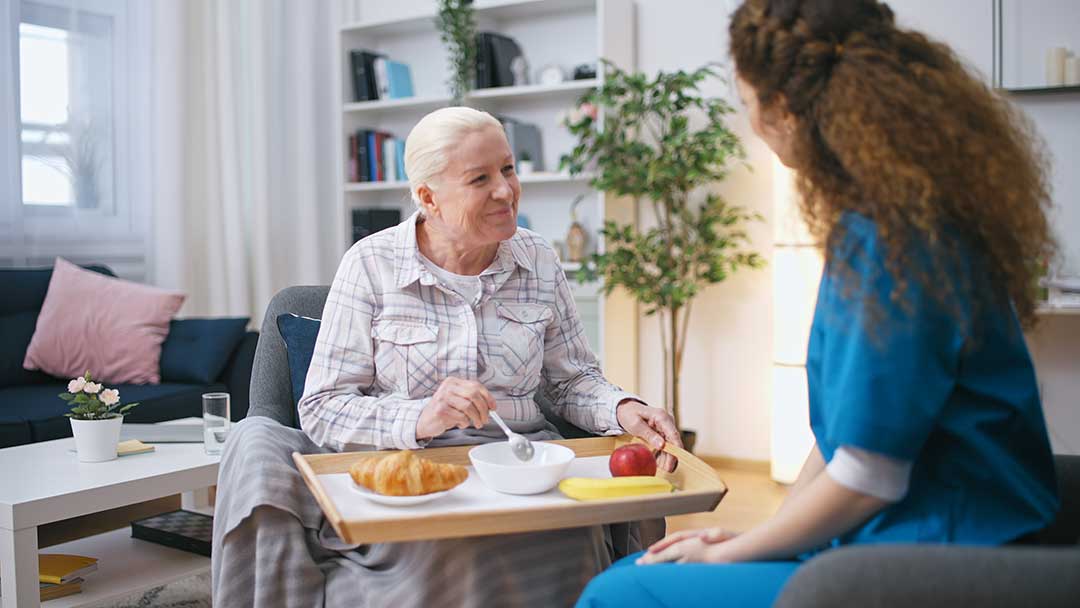
Indoor winter activities may include:
- Holiday music, sing-alongs, or instrument demonstrations
- Making greeting cards or simple seasonal decorations
- Reading groups focused on winter stories and family traditions
- Indoor bowling with lightweight equipment
- Chair yoga, stretching, or guided movement
- Jigsaw puzzles, word games, and card games
- Cooking demonstrations using familiar comfort foods
- Virtual visits or video messages from relatives
- Reminiscence conversations about past winters
Winter gatherings should avoid assuming that every resident celebrates the same holidays. Inclusive programming can focus on music, light, food, family memories, weather, and seasonal customs while allowing residents to share traditions voluntarily.
Residents may also experience loneliness during winter if visitors are delayed by weather or transportation problems. Telephone calls, video conversations, letter-writing, and small group visits can help preserve connection when outdoor travel is difficult.
How should activities be adapted for different abilities?
The same activity can usually be offered in several formats. A resident with limited hand strength might choose larger craft materials. Someone with hearing loss may benefit from written instructions and a quieter seating location. A resident with memory loss may participate more comfortably in a familiar, step-by-step activity.
Helpful adaptations include:
- Offering seated and standing versions of movement activities
- Using large-print directions and high-contrast materials
- Limiting background noise during conversations
- Breaking complex projects into short steps
- Providing examples without requiring residents to copy them
- Allowing extra time for responses and decisions
- Keeping activities predictable while permitting personal choice
- Offering sensory alternatives, such as music, texture, scent, or photographs
Participation should remain voluntary. Watching, listening, helping prepare materials, or talking with other residents are all valid forms of involvement.
How can families support seasonal engagement?
Families can strengthen seasonal activities by sharing photographs, recipes, music, stories, or objects connected to a resident’s past. A short conversation about a familiar tradition may be more meaningful than a large event.
Useful questions include:
- What did this season look like during your childhood?
- Which foods or songs remind you of this time of year?
- Did you prefer indoor or outdoor activities?
- What family traditions would you like to continue?
- Is there an activity you would rather adapt or observe?
Family members can also help identify dislikes, allergies, cultural preferences, mobility concerns, and meaningful routines. This information allows activities to remain personal rather than treating all residents as having the same interests.
The strongest seasonal calendars combine predictable routines with room for choice. A resident might attend a group activity one week, take part in a quiet project the next, and simply enjoy conversation or observation on another day. That flexibility helps seasonal programming remain safe, respectful, and genuinely engaging throughout the year.
